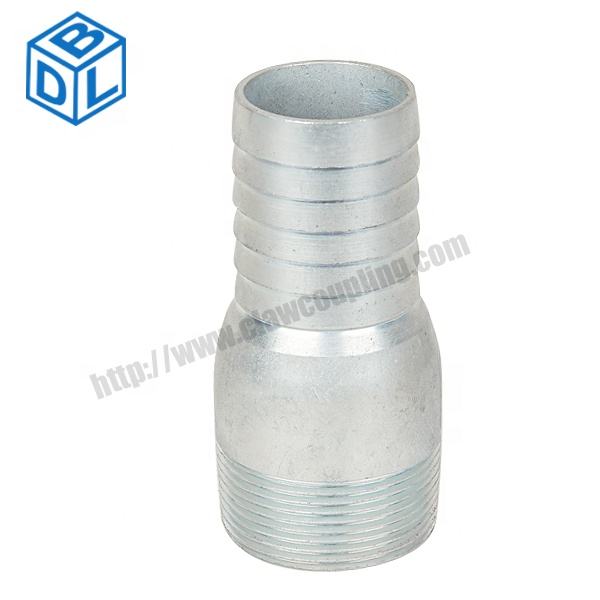
Metal hose
Metal hoses are essential components in various industrial applications, offering flexibility, durability, and resistance to high temperatures and pressures. Whether for chemical transfer, steam lines, or exhaust systems, metal hoses provide reliable solutions. Below, we explore key specifications, material options, and frequently asked questions to help you make an informed decision.
Key Features of Metal Hose
- Material: Stainless steel, carbon steel, or other alloys for corrosion resistance
- Temperature Range: -200°C to +1000°C depending on construction
- Pressure Rating: Up to 500 bar for high-pressure applications
- Flexibility: Multiple corrugation patterns for different bending requirements
- End Fittings: Flanges, threaded connections, or weldable ends available
Technical Specifications
| Parameter | Standard Range | Custom Options |
|---|---|---|
| Inner Diameter | 10mm - 300mm | 5mm - 500mm |
| Working Pressure | 10 - 100 bar | Up to 500 bar |
| Burst Pressure | 3x working pressure | 4-5x working pressure |
| Minimum Bend Radius | 3x diameter | 2x diameter possible |
Metal Hose FAQ
Q: What are the main advantages of using metal hoses over rubber hoses?
A: Metal hoses offer superior temperature resistance, longer service life, better chemical compatibility, and higher pressure ratings. They maintain integrity in extreme environments where rubber hoses would degrade quickly.
Q: How do I determine the correct metal hose for my application?
A: Consider these factors: temperature range, pressure requirements, media being conveyed (chemical compatibility), movement/flexibility needs, and environmental conditions. Consultation with our technical team is recommended for critical applications.
Q: What maintenance does a metal hose require?
A: Metal hoses require minimal maintenance compared to other hose types. Regular visual inspections for kinks, corrosion, or leaks are recommended. Proper installation to avoid over-bending and periodic replacement of worn assemblies will ensure optimal performance.
Material Options Comparison
| Material Type | Temperature Range | Chemical Resistance | Typical Applications |
|---|---|---|---|
| 304 Stainless Steel | -200°C to +400°C | Good resistance to most chemicals | General industrial, food processing |
| 316 Stainless Steel | -200°C to +450°C | Excellent resistance to chlorides | Marine, chemical processing |
| Inconel | -200°C to +1000°C | Exceptional resistance to oxidation | High-temperature exhaust, aerospace |
Installation Guidelines
- Never exceed the minimum bend radius specified for the hose
- Ensure proper alignment to avoid torsional stress
- Use appropriate supports to prevent sagging or vibration damage
- Follow torque specifications for threaded connections
- Inspect for proper sealing after installation
Additional Metal Hose FAQ
Q: Can metal hoses be used for vacuum applications?
A: Yes, many metal hose designs are suitable for vacuum service, but special attention must be paid to collapse resistance. Reinforced hoses or those with special braiding are typically recommended for high-vacuum applications.
Q: What causes premature failure in metal hoses?
A: Common causes include improper installation (excessive bending or torsion), chemical incompatibility, exposure to temperatures beyond ratings, vibration fatigue, and abrasion from external contact. Regular inspection can identify potential issues early.
Q: How long do metal hoses typically last?
A: Service life varies greatly depending on application conditions. With proper selection and installation, metal hoses can last 3-10 years in typical industrial applications. Severe service conditions may require more frequent replacement.
Customization Options
- Special braiding configurations for unique pressure requirements
- Custom end fittings to match existing connections
- Specialized coatings for additional corrosion protection
- Multiple ply construction for extreme applications
- Non-standard lengths to meet specific layout needs