Unlocking OEM FRP Structures: A Guide to Enhanced System Design and Integration
2026-03-03
In the ever-evolving landscape of system design and integration, unlocking the potential of OEM FRP structures stands as a pivotal challenge for engineers and designers alike. These structures, often intricate and tailored to specific applications, hold the key to enhanced performance, durability, and innovation. At Sino Grating, we understand that navigating this complexity requires a blend of technical expertise and creative thinking—a balance that can transform obstacles into opportunities. This guide delves into the core principles and advanced strategies for optimizing OEM FRP designs, offering insights that go beyond the basics. Whether you're looking to streamline integration processes or push the boundaries of material capabilities, the journey ahead promises to illuminate new pathways. Join us as we explore the intricate world of FRP structures, where every detail matters and every breakthrough starts with a deeper understanding.
Navigating OEM FRP Architectures for Smoother System Integration
When integrating OEM systems, dealing with FRP architectures often feels like navigating a maze—each vendor has their own twist, but a few strategies can smooth the path. Start by mapping out the specific FRP components: look beyond standard documentation to uncover hidden APIs or custom modules that might not be well-documented. Engaging directly with OEM support teams early on can reveal insights that aren't in the manual, helping avoid surprises during integration.
To truly streamline the process, consider adopting a modular approach where you wrap OEM FRP elements in your own abstraction layers. This isn't just about compatibility; it future-proofs your setup against vendor updates or shifts in technology. For instance, we've seen teams use lightweight middleware to bridge gaps between different FRP systems, reducing dependency on any single OEM and boosting flexibility across projects.
Testing in real-world scenarios is another key differentiator—don't rely solely on lab environments. By simulating actual usage patterns, you can identify bottlenecks or inconsistencies in FRP handling that might only surface under load. Collaborating with peers through forums or workshops can provide fresh perspectives, turning a challenging integration into a smoother, more robust system that stands out for its reliability.
Enhancing Design Efficiency Through Customizable FRP Solutions
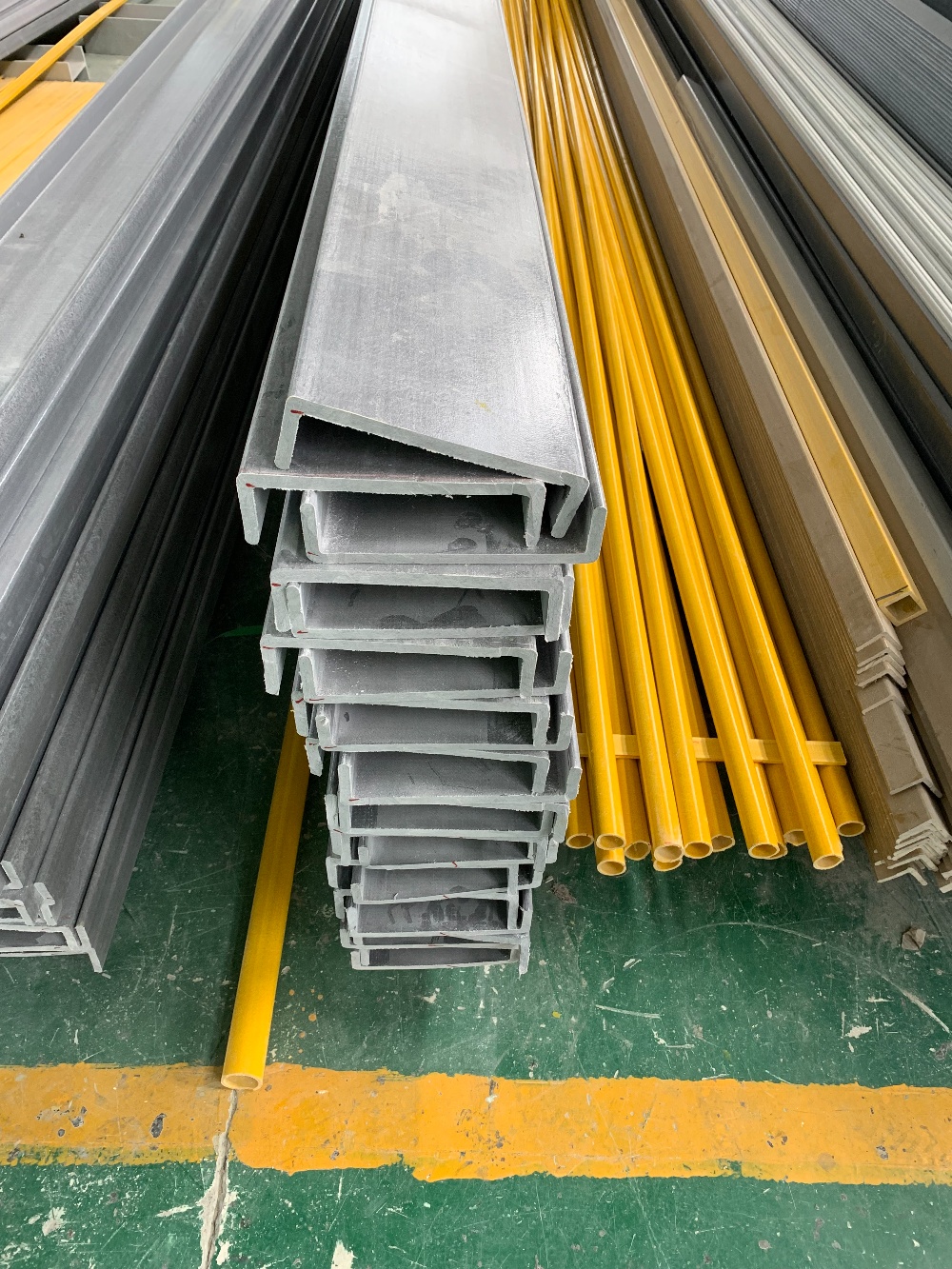
In the fast-paced world of design, where project timelines can be tight and client demands diverse, Customizable Fiber Reinforced Polymer (FRP) Solutions stand out by offering unparalleled flexibility. By allowing designers to tailor materials to specific structural or aesthetic needs—be it through varying fiber compositions, resin types, or surface finishes—these solutions eliminate the one-size-fits-all constraints of traditional alternatives. This adaptability not only speeds up the design process but also reduces costly revisions and material waste, making it a smart choice for modern architectural and engineering projects.
Unlike off-the-shelf products that often force compromises, Customizable FRP unlocks new creative possibilities while boosting efficiency. Design teams can collaborate with manufacturers to develop bespoke components that meet exact performance criteria, such as enhanced durability or lightweight properties, without the lengthy lead times associated with custom metal or concrete. This hands-on approach fosters innovation, as designers can experiment with unique shapes and textures that might otherwise be impractical, leading to more distinctive and functional outcomes in less time.
Moreover, the integration of customizable FRP into workflows promotes sustainable practices by optimizing resource use and reducing environmental impact. With features like modular designs and easy assembly, these solutions streamline installation and maintenance, cutting down on labor hours and overall project costs. As industries increasingly prioritize efficiency and customization, FRP emerges as a forward-thinking tool that not only meets today's design challenges but also anticipates future trends, ensuring lasting value and adaptability.
Advanced Techniques for Robust FRP Implementation in OEM Projects
When rolling out FRP (Fiber Reinforced Polymer) systems in OEM projects, going beyond the basics is key to long-term success. One advanced method involves integrating predictive modeling with real-time sensor data to monitor material stress and environmental impacts. By embedding sensors directly into the composite layers during manufacturing, engineers can track performance indicators like temperature fluctuations and load distribution, enabling proactive adjustments before failures occur. This approach not only enhances durability but also cuts down on unexpected downtime, making it a game-changer for high-stakes applications.
Another technique focuses on optimizing the bonding process between FRP components and existing structures, which is often a weak point in OEM assemblies. Instead of relying on standard adhesives, some projects now use custom-formulated resins that cure faster and bond more strongly under varying conditions. Coupled with automated application tools, this ensures consistent coverage and reduces human error, leading to stronger joints that withstand harsh operational environments. Tailoring these materials to specific project needs—like corrosion resistance or thermal stability—further boosts reliability.
To truly stand out, adopting lifecycle management strategies that incorporate AI-driven analytics can transform FRP implementation. By analyzing historical data from similar projects, AI models predict wear patterns and recommend maintenance schedules, extending the material's service life. This proactive stance, combined with modular FRP designs that allow easy repairs or upgrades, minimizes costs and disruptions. It’s not just about installing FRP; it’s about building a resilient system that evolves with project demands.
Streamlining Integration Processes to Reduce Development Time
Integrating systems can often feel like piecing together a complex puzzle, especially when development timelines stretch beyond initial estimates. Streamlining integration processes isn't just about cutting corners; it's about adopting smarter approaches that eliminate bottlenecks and foster seamless communication between disparate systems. By leveraging modern tools like APIs with clear documentation and automated testing frameworks, teams can reduce the manual overhead and accelerate the flow of data, ensuring that projects move forward without unnecessary delays.
One effective strategy involves standardizing integration protocols across the organization, which minimizes the learning curve for developers and reduces errors that typically consume valuable time. For instance, using containerization technologies or microservices architectures allows for modular updates, so teams can tweak individual components without overhauling the entire system. This modularity not only shortens development cycles but also enhances flexibility, enabling quicker adaptations to changing business needs.
Ultimately, the goal is to create an ecosystem where integration feels intuitive rather than burdensome. By fostering collaboration through shared best practices and utilizing cloud-based solutions that offer scalability, companies can significantly trim development time. In practice, this might mean adopting low-code platforms for common integrations, freeing up developers to focus on more complex, value-added tasks. The result is a smoother workflow that translates directly into faster project completions and improved overall efficiency.
Leveraging FRP Flexibility for Future-Proof System Designs
In an era where technological demands shift rapidly, harnessing the flexibility of FRP (Fiber-Reinforced Polymer) materials has become a cornerstone for crafting resilient infrastructure. FRP's adaptability allows designers to create systems that aren't just robust but can evolve with emerging requirements, from seismic upgrades in urban buildings to corrosion-resistant solutions in harsh environments. This inherent versatility ensures that investments made today remain relevant tomorrow, reducing the need for costly overhauls.
Beyond mere durability, FRP's customizable properties—like adjustable stiffness and weight—enable innovative designs that traditional materials often hinder. Engineers can fine-tune these composites to meet specific load-bearing or aesthetic needs, fostering systems that integrate seamlessly with both existing structures and future expansions. Such tailored approaches not only enhance performance but also promote sustainability by minimizing waste and extending service life.
Looking ahead, the ability to incorporate FRP in modular or prefabricated components adds another layer of future-proofing, allowing for easier maintenance and upgrades as standards change. By prioritizing this material's flexibility, we're not just building for the present; we're laying a foundation that anticipates and adapts to tomorrow's challenges, ensuring our systems stay ahead of the curve.
Practical Insights for Optimizing FRP Structures Across Platforms
Optimizing FRP (Fiber Reinforced Polymer) structures across diverse platforms hinges on tailoring design strategies to specific environmental and load conditions. Rather than a one-size-fits-all approach, consider how factors like UV exposure in outdoor settings or moisture ingress in marine applications affect material choices. For instance, using vinyl ester resins in coastal installations can mitigate corrosion risks, while epoxy-based systems might suit indoor frameworks better. This adaptability ensures longevity and reduces maintenance, making FRP a versatile solution beyond traditional materials.
Integrating advanced simulation tools early in the design phase allows for precise modeling of stress distributions and potential weak points, which is crucial when deploying FRP across platforms like bridges, aerospace, or industrial equipment. Techniques such as finite element analysis (FEA) help predict how composite layers interact under dynamic loads, enabling engineers to tweak fiber orientations or resin mixes for optimal performance. This proactive troubleshooting minimizes costly on-site adjustments, speeding up project timelines while enhancing structural reliability in varied operational contexts.
Collaboration with manufacturers and on-site teams is key to overcoming installation challenges, such as differences in attachment methods between steel and concrete bases. Sharing lessons learned from past projects—like using specialized adhesives for better bonding in high-temperature environments—can streamline workflows. By incorporating feedback loops and peer reviews, teams refine best practices that adapt FRP structures seamlessly, fostering innovation and consistency across multiple platforms without sacrificing efficiency or safety standards.
FAQ
Unlocking OEM FRP structures refers to breaking down proprietary fiber-reinforced polymer components to integrate them more flexibly into custom systems, improving overall design efficiency.
Enhanced system design benefits by allowing for greater customization, reduced material waste, and improved performance through optimized integration with other system elements.
Key challenges include managing material compatibility, ensuring structural integrity post-modification, and addressing potential regulatory or warranty issues from altering OEM parts.
The guide covers methods like thermal reshaping of FRP components and using adhesive bonding to fuse unlocked structures with traditional materials for seamless assembly.
FRP offers advantages like high strength-to-weight ratio and corrosion resistance, making it crucial for applications in automotive, aerospace, and construction where durability and efficiency are priorities.
Best practices include thorough testing under realistic conditions, involving cross-disciplinary teams in the design phase, and adhering to industry standards to mitigate risks.
By enabling reuse and repurposing of FRP components, it reduces waste and supports eco-friendly initiatives, aligning with circular economy principles in manufacturing.
Common pitfalls include overlooking material fatigue over time, inadequate planning for thermal expansion differences, and failing to document modifications for future maintenance.
Conclusion
The guide "Unlocking OEM FRP Structures: A Guide to Enhanced System Design and Integration" provides a comprehensive approach to improving system design and integration, with a focus on Fiber-Reinforced Polymer (FRP) structures in Original Equipment Manufacturer (OEM) contexts. It begins by navigating OEM FRP architectures to ensure smoother integration, emphasizing the importance of understanding these frameworks from the outset. This foundational knowledge sets the stage for enhancing design efficiency through customizable FRP solutions, allowing teams to tailor materials and processes to specific project needs. By adopting advanced techniques for robust implementation, the guide helps mitigate risks and ensure durability in OEM projects, thereby fostering more reliable outcomes.
Furthermore, the guide addresses streamlining integration processes to reduce development time, offering strategies that accelerate project timelines without compromising quality. It highlights leveraging FRP flexibility for future-proof system designs, enabling adaptability to evolving technologies and market demands. Practical insights for optimizing FRP structures across platforms are also shared, ensuring consistent performance and cost-effectiveness in diverse applications. Overall, this resource empowers professionals with actionable steps to unlock FRP potential, driving innovation and efficiency in OEM environments.
Contact Us
Contact Person: Nicholas Zhu
Email: [email protected]
Tel/WhatsApp: 18921275456
Website: https://www.sino-grate.com