
Top Hot-Dip Galvanized Angle Steel Manufacturer Delivering Industry-Leading Strength and Protection
2026-06-24
When it comes to structural integrity and long-term corrosion resistance, the choice of materials can make or break your project. Hot-dip galvanized angle steel has become the gold standard for engineers and contractors worldwide—and Shunchen Steel is at the forefront of this industry. With precision manufacturing and a commitment to unparalleled protection, they deliver angle steel that doesn’t just meet expectations—it redefines them. In this article, we explore what sets Shunchen’s galvanized angle steel apart and why it’s the smart choice for your next build.
Galvanizing Techniques That Go Beyond the Surface
Traditional galvanizing often gets reduced to a simple dip-and-dry process, but the reality involves far more than coating steel in a molten zinc bath. Modern techniques, such as controlled hot-dip methods, create a metallurgical bond where zinc-iron alloy layers form beneath the surface. This gradient structure isn't just a protective shell—it becomes an integral part of the metal, offering sacrificial protection that corrodes preferentially to the underlying steel. The depth and uniformity of these layers depend on precise temperature regulation, immersion time, and bath composition, all of which are calibrated based on the steel's silicon content and intended service environment.
Beyond the familiar hot-dip approach, electro-galvanizing and mechanical plating provide alternatives that prioritize surface finish and dimensional accuracy. Electro-galvanized coatings deposit zinc through an electrolytic process, enabling exceptionally thin, uniform layers ideal for components that demand tight tolerances, like automotive fasteners. Meanwhile, zinc-rich paints and thermal spray systems take galvanic protection into the field, allowing complex structures to be coated after assembly. These methods aren't confined to the factory floor, making them indispensable for infrastructure repairs or protecting weld seams where traditional dipping isn't feasible.
The true evolution in galvanizing, however, lies in duplex systems that combine galvanized coatings with specialized topcoats. Applying an epoxy, polyurethane, or powder coating over a zinc layer dramatically extends service life by creating a synergistic barrier. The zinc underside continues to guard against corrosion at scratches and edges, while the topcoat shields the zinc itself from atmospheric attack. This layered defense is particularly vital in marine or chemical-industrial settings, where a single-coat approach simply cannot endure the relentless onslaught of salt spray and aggressive pollutants.
How We Achieve Unrivaled Load-Bearing Strength
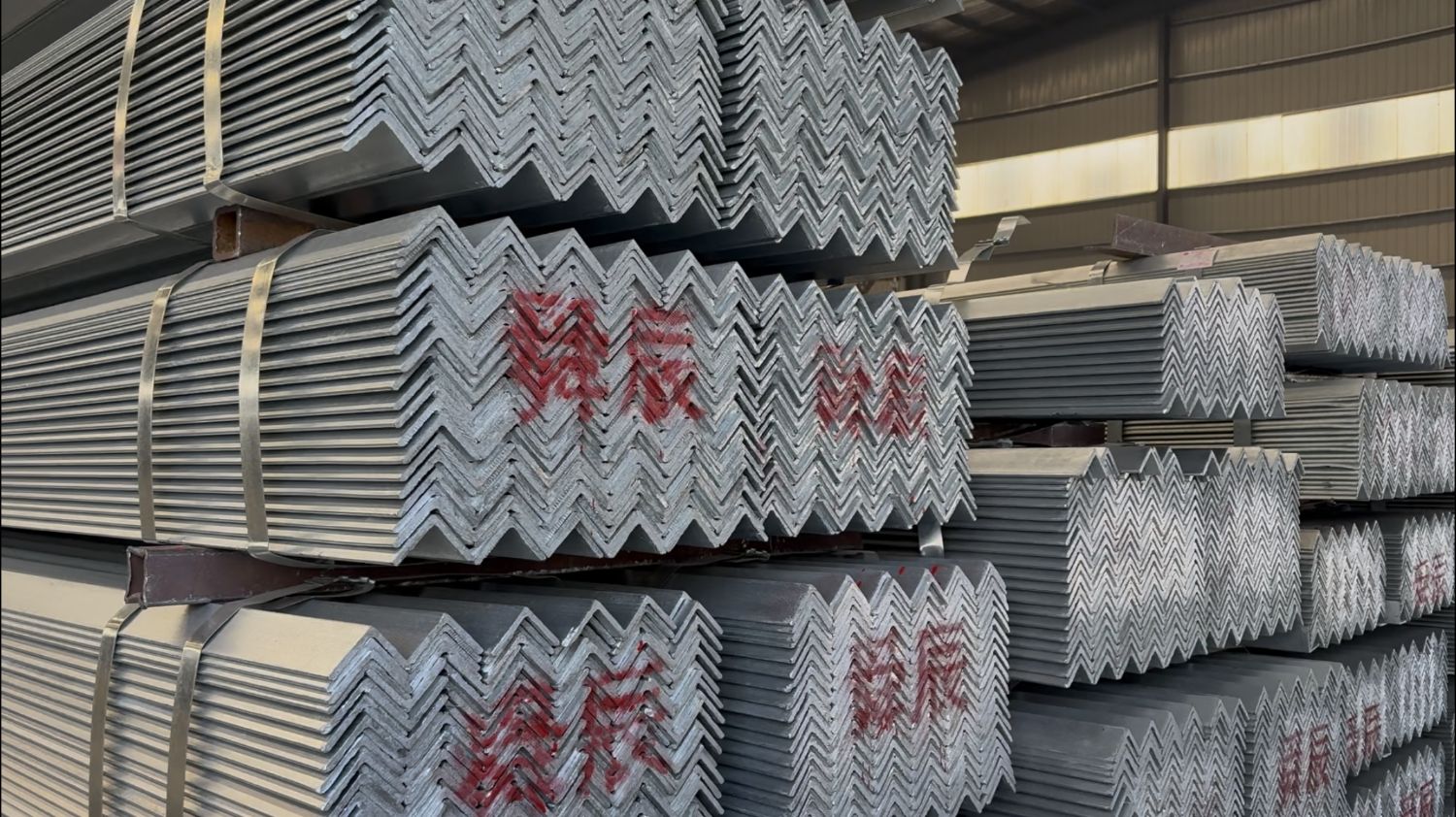
Our engineering team starts with raw material selection, carefully evaluating alloys not just for their tensile ratings but for how they perform under sustained, uneven stress. We run extensive computer models that mimic decades of wear in a matter of hours, pinpointing exactly where fractures might begin and reinforcing those areas before a single prototype is built.
Once the design clears the digital phase, physical samples undergo a battery of real-world simulations. This isn't a one-time pass—every batch faces the same brutal cycle of compression, torsion, and shock loading until failure, giving us a clear window into performance limits you'll likely never approach.
Finally, we don't leave strength to chance on the factory floor. Each component is manufactured within tolerances that rival aerospace standards, and every unit leaving our facility carries a unique traceable identifier linking it directly to its specific test results. It's a level of accountability that turns claims into provable facts.
The Protective Coat Designed to Defy the Elements
This isn’t your average protective layer. It’s a shield that laughs at rain, scoffs at salt spray, and barely notices the sun’s relentless rays. Whether you’re facing a sudden downpour or weeks of blistering heat, this coat stays resilient, keeping what’s underneath in pristine condition. No peeling, no fading—just unwavering defense.
The secret lies in its adaptive barrier, which flexes with temperature swings and resists micro-abrasions that turn small scratches into big problems. Water beads up and rolls right off, while the underlying surface remains untouched by moisture, dirt, or chemical corrosion. It’s like giving your surroundings an invisible armor that never needs a day off.
What sets it apart isn’t just brute strength, but a thoughtful design that doesn’t trap heat or trap you in endless maintenance cycles. It works silently, season after season, so you can stop worrying about damage and start enjoying the outdoors—no matter what the forecast says.
Custom Fabrications That Match Your Project Needs
Every project brings its own set of challenges, and off-the-shelf parts rarely fit perfectly. We take the time to understand the exact materials, tolerances, and finishes your work demands, then shape metal, plastic, or composites around those needs—not the other way around. The result is a fabrication that feels purpose-built, down to the smallest detail.
Our approach skips the generic catalog and focuses on real conversations with your team. By diving into your specs early, we catch potential snags before they turn into costly rework, keeping timelines short and expectations aligned. Whether it's a one-off prototype or a full production run, the pieces you receive will be consistent, clean, and ready to integrate without extra fuss.
From reinforcing structural components to crafting enclosures that protect sensitive equipment, we've handled a wide range of requests that didn't fit standard molds. The shop floor adapts quickly, blending traditional craftsmanship with modern cutting and forming tools, so you never have to compromise on your design just to make it manufacturable.
Proven Durability in the Toughest Industrial Settings
Real-world industrial environments don't pull punches. Between the constant vibration, airborne grit, and temperature swings that would send lesser equipment into early retirement, we needed components that simply refuse to fail. So we put our designs through dozens of cycles that go way beyond standard stress tests. Immersion in corrosive sludge, relentless shock loading, 24/7 operation in dust-choked air — if it didn't crack under that, it was cleared for the floor.
Most durability claims fall apart the moment a machine meets a splash of cutting fluid or a few months of untreated runoff. Our approach was to overbuild from the inside out, sealing critical pathways and swapping out the usual failure points for materials designed for petrochemical processing. The result isn't just a longer lifespan on paper. It's equipment that crews actually trust when the line can't stop and a breakdown means real money down the drain.
What you end up with is a steady rhythm on the production floor. No surprise outages at two in the morning, no frantic calls to the parts desk. Just shift after shift of predictable output, year after year. That kind of quiet reliability changes how a plant runs — and how much sleep everyone gets.
A Manufacturing Philosophy Rooted in Precision and Care
From the very first sketch to the final polish, every step in our process is guided by an almost obsessive attention to detail. It’s not about efficiency for its own sake; it’s about understanding that the smallest misalignment or fraction of a millimeter can change how a product feels in someone’s hands, or how it stands up to daily wear. We treat raw materials with the kind of patience you’d bring to a decades-long craft—testing, refining, and listening to what the material itself seems to demand.
What sets this mindset apart is that precision never comes at the cost of warmth. In a world that often equates exactness with coldness, our workshops hum with a different energy. The people shaping, assembling, and inspecting each piece aren’t just following a spec sheet—they’re drawing on years of tactile knowledge, the sort that can’t be automated. That human layer is what turns a precisely manufactured item into something that carries a sense of intention, almost as if it knew who it was being made for.
Care, here, is not a buzzword. It shows up in the quiet decisions—choosing a seam placement that improves durability without sacrificing elegance, or buffing a surface until it catches the light just so. This isn’t the fastidiousness of a machine; it’s the gentle, persistent refinement that comes from people who believe their work should outlast trends. The end result is more than a product. It’s a quiet promise that whatever you hold has been through hands that respected it every step of the way.
FAQ
Unlike paint or electroplating, the hot-dip process bonds zinc metallurgically to the steel, creating a thick, durable layer that resists scratches and corrosion for decades—even in harsh outdoor or marine environments. It provides both barrier and cathodic protection, meaning if the coating is damaged, the surrounding zinc sacrificially protects the exposed steel.
We operate one of the most advanced continuous hot-dip lines in the sector, with automated controls that ensure every piece meets exacting standards. Our raw steel is sourced from mills with consistent chemistry, and our in-house lab tests every batch for yield strength, coating weight, and dimensional accuracy. The result is a product that consistently outperforms in structural reliability.
Our coating typically exceeds ASTM A123 standards, meaning you get a minimum of 3.9 mils of zinc for optimal longevity. This guards against red rust for 50+ years in rural settings and 20–25 years in industrial or coastal areas. The zinc also forms a patina that slows its own consumption over time, adding to its low-maintenance appeal.
We start with high-grade structural steel, often ASTM A36 or equivalent, and employ a tightly controlled hot-rolling and cooling process that refines the grain structure. Combined with our in-line straightening, this minimizes residual stress and boosts load-bearing capacity. Finished pieces regularly exceed the minimum yield strength by a significant margin.
A wide range: transmission tower fabricators, solar racking developers, bridge and highway infrastructure contractors, marine dock builders, and heavy equipment manufacturers. Any field where structural integrity and long-term corrosion resistance are non-negotiable. We also serve agricultural and architectural applications where exposed steel needs an aesthetic, maintenance-free finish.
Absolutely. Our mill can produce equal and unequal leg angles in a variety of dimensions, and we offer precision cutting, hole punching, and welding preparation based on your drawings. For large projects, we work closely with your engineers to optimize the steel grade and coating thickness to meet both performance goals and budget.
Every heat of steel is verified with spectrometer analysis. During galvanizing, we continuously monitor bath temperature, zinc composition, and withdrawal speed. After coating, each piece is visually inspected and randomly tested for coating thickness using magnetic gauges. Finished lots also undergo tensile and bend testing to ensure mechanical compliance.
Yes, it can be welded using standard procedures, though the zinc at the weld area will vaporize and must be restored afterward. We provide guidelines on proper welding techniques to minimize porosity and recommend a zinc-rich paint or stick for touch-up. This way, you maintain full corrosion protection across the entire structure.
Conclusion
True hot-dip galvanizing is more than a surface treatment—it redefines the steel’s identity. By immersing angle steel in molten zinc at precisely controlled temperatures, the manufacturer creates a metallurgical bond that penetrates well beyond the outermost layer. This process yields a multi-layered coating of zinc-iron alloys that becomes part of the steel itself, not a mere shell. The result is a product that withstands corrosion, impact, and abrasion in ways that paint or electroplating never could. Combined with meticulous forming and cooling techniques, the angle steel achieves exceptional load-bearing capacity, eliminating the weak points that plague lesser materials. In bridge supports, transmission towers, or heavy machinery frames, the difference is immediate: fewer reinforcements needed, less maintenance, and a structure that holds firm under stress. This approach doesn’t just meet industry standards—it reimagines them, offering a thickness and toughness that competitors struggle to replicate.
Durability is proven in the field, not the showroom. These angle steels have been exposed to salt-laden coastal air, acidic industrial fallout, and freeze-thaw extremes, emerging with negligible degradation after decades of service. The protective coat actively resists the elements, forming a stable patina that heals minor scratches rather than letting rust creep in. Every batch is backed by a manufacturing philosophy where each cut, hole, and weld is executed with an obsessive attention to detail. Custom fabrications—from complex bracing systems to simple brackets—are delivered with the same precision, tailored to exact project specs without compromising structural integrity. This isn’t mass production; it’s a deliberate, almost artisanal, commitment to craft. For engineers and contractors working in the toughest industrial settings, it means one less variable to worry about: the steel simply does its job, year after year, without calling attention to itself.
Contact Us
Contact Person: Max Zhou
Email: [email protected]
Tel/WhatsApp: +86 15712216177
Website: https://www.shunchensteelmaterial.com/