
Optimizing OEM Powder Storage Silo Efficiency: Key Strategies for Enhanced Performance
2026-04-06
In the fast-paced world of industrial manufacturing, especially for OEMs relying on consistent powder supplies, storage silos play a pivotal role in ensuring uninterrupted production. But what if your silos aren't operating at peak efficiency, costing you time and resources? From advanced design techniques to smart maintenance protocols, this blog dives into the essential strategies for optimizing OEM powder storage silo performance. At Fanchang Machinery, we've seen firsthand how tailored solutions can transform operations—boosting output while cutting downtime. Get ready to explore actionable insights that could redefine your storage systems, keeping you ahead in a competitive market.
Understanding Silo Design for Optimal Powder Storage and Flow
Effective silo design is crucial for managing powder storage in industries like food processing, pharmaceuticals, and agriculture. It goes beyond just holding materials; a well-designed silo minimizes issues such as bridging, rat-holing, and segregation, which can disrupt production and degrade product quality. By considering factors like material properties, such as moisture content and particle size, engineers can create systems that ensure smooth, consistent flow, reducing downtime and waste. This understanding helps in maintaining operational efficiency and safety, as improper design can lead to material buildup or collapse hazards.
Key aspects of silo design include the geometry—like cone angles and hopper shapes—tailored to specific powders to prevent flow obstructions. Additionally, features like air injection or mechanical vibrators can be integrated to promote movement and prevent caking in cohesive materials. Material selection, such as using stainless steel for hygienic applications, also plays a vital role in durability and contamination control. By optimizing these elements, businesses can achieve reliable storage that aligns with industry standards, enhancing throughput without compromising on product integrity.
In practice, advanced techniques like computational fluid dynamics (CFD) modeling allow for detailed simulations of powder behavior within silos, leading to more precise designs. Regular maintenance and monitoring, such as checking for wear and tear, further support optimal flow over time. Ultimately, a comprehensive approach to silo design ensures that storage systems not only hold powders but actively contribute to a seamless production line, balancing cost-effectiveness with performance to meet diverse industrial needs.
Implementing Regular Maintenance to Prevent Clogging and Wear
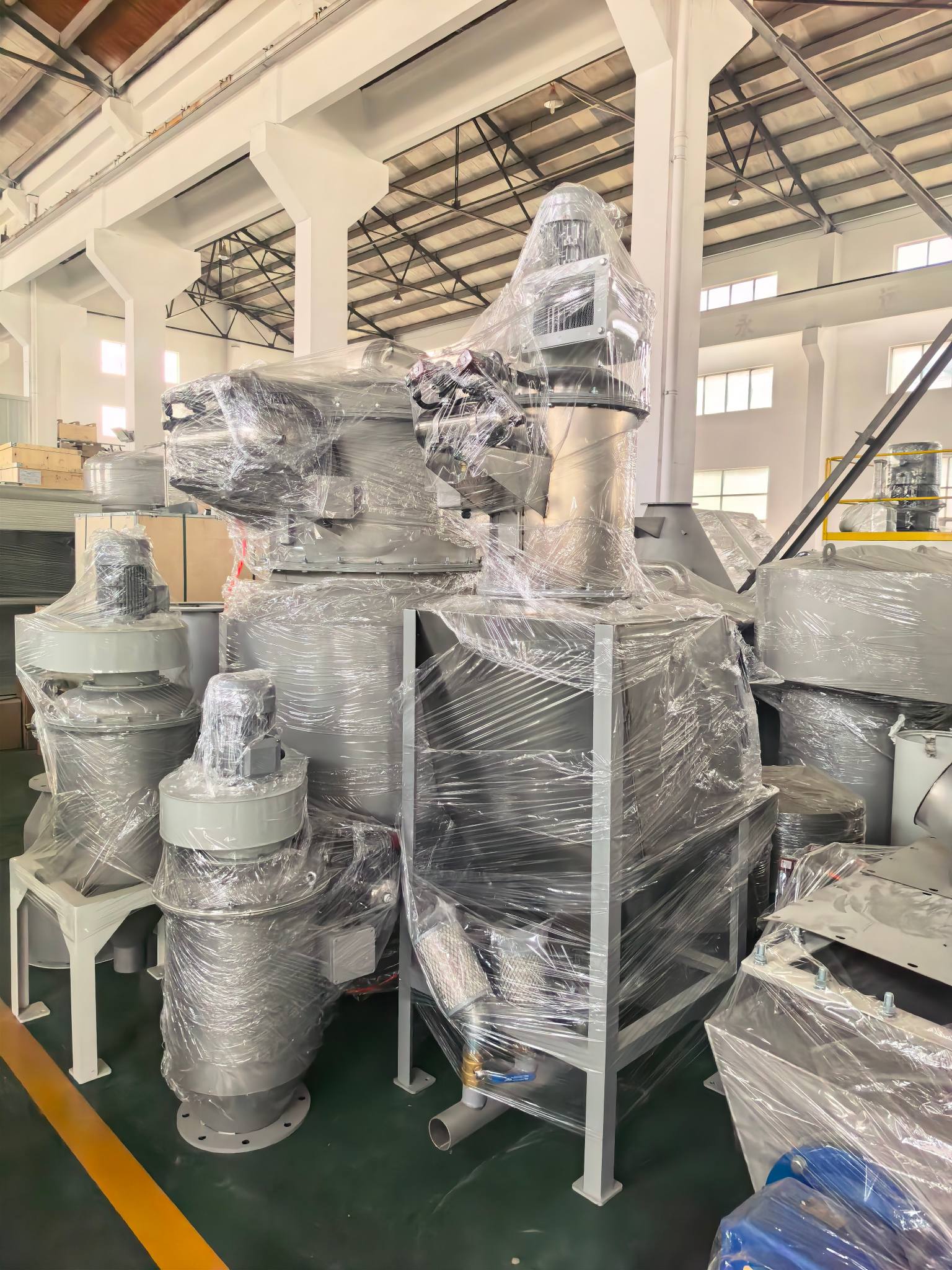
Setting up a consistent maintenance schedule is crucial for keeping equipment running smoothly and avoiding common issues like clogs and gradual wear. By sticking to a routine check-up plan, you can catch small problems early before they turn into bigger, more expensive repairs that might cause downtime.
For example, regular tasks such as cleaning filters, lubricating moving parts, and inspecting for signs of abrasion help extend the lifespan of your machinery. It's not just about fixing things when they break; proactive steps like these ensure everything works efficiently and safely over time.
Incorporating these practices into your daily or weekly routines doesn't have to be complicated. Simple visual checks and basic upkeep can make a big difference in preventing wear and tear, saving you money and hassle in the long run.
Utilizing Smart Technology for Real-Time Monitoring and Control
In today's interconnected world, leveraging smart technology for real-time monitoring and control transforms how organizations operate by providing immediate insights and automated responses. Systems equipped with sensors and IoT devices collect data on everything from energy usage to equipment performance, allowing for proactive adjustments that enhance efficiency and reduce downtime. This approach not only streamlines processes but also empowers teams to make data-driven decisions on the fly, ensuring operations remain agile and responsive to changing conditions.
Take manufacturing or logistics, for instance, where smart sensors continuously track inventory levels, machine health, and environmental factors. By integrating AI algorithms, these systems can predict maintenance needs before failures occur, schedule production runs based on real-time demand signals, and optimize routes dynamically for delivery fleets. This level of control minimizes waste, cuts costs, and boosts overall productivity, offering a competitive edge in fast-paced industries where every second counts.
Beyond industrial applications, this technology extends to sectors like healthcare and smart cities, enabling remote patient monitoring through wearable devices or managing urban infrastructure such as traffic lights and water distribution in real time. By fostering a seamless flow of information and automated control mechanisms, smart tech creates environments that are safer, more sustainable, and tailored to user needs, ultimately driving innovation and improving quality of life.
Enhancing Safety Measures to Mitigate Operational Risks
In today's fast-paced operational environments, enhancing safety measures is not just a regulatory requirement but a critical component of sustainable business practices. We focus on proactive strategies that go beyond compliance, such as integrating advanced risk assessment tools and fostering a culture of continuous improvement. By embedding safety into every process, we can identify potential hazards early and implement tailored solutions that reduce downtime and protect both personnel and assets.
Our approach includes leveraging technology, like IoT sensors and real-time monitoring systems, to gather data that informs decision-making and predicts risks before they escalate. This data-driven method allows for dynamic adjustments to safety protocols, ensuring they remain relevant as operational conditions change. Moreover, we emphasize employee training and engagement, empowering teams to take ownership of safety initiatives and contribute insights that enhance overall resilience.
Ultimately, by strengthening safety measures, we not only mitigate immediate operational risks but also build long-term trust and efficiency. This holistic perspective helps organizations adapt to evolving challenges, from workplace accidents to broader industry disruptions, positioning them for success in a competitive landscape.
Adopting Sustainable Practices to Reduce Waste and Costs
In today's competitive business landscape, adopting sustainable practices isn't just about being environmentally friendly—it's a strategic move to cut costs and streamline operations. Companies that integrate waste reduction into their daily routines, like minimizing packaging or optimizing resource use, often see a direct impact on their bottom line. This approach transforms traditional waste management from a mere expense into a source of savings, fostering a culture of efficiency and responsibility.
By shifting to practices such as recycling materials or repurposing by-products, organizations can uncover hidden value in what was once considered trash. For instance, a manufacturing firm might reuse scrap metal in new products, reducing raw material purchases and disposal fees. This not only lowers financial burdens but also aligns with consumer demands for greener products, creating a dual benefit that boosts both profit and reputation.
Ultimately, embracing sustainability goes beyond short-term gains; it builds a resilient framework for long-term success. When teams are encouraged to innovate—like implementing energy-efficient systems or digital workflows—waste shrinks, and costs drop steadily. This continuous improvement mindset ensures that businesses stay ahead of regulations and market shifts, proving that doing good for the planet can also mean doing well financially.
Training Staff for Efficient Handling and Troubleshooting
To truly empower staff with efficient handling and troubleshooting skills, we focus on a hands-on, scenario-based approach. This involves immersing employees in realistic operational situations where they can apply theoretical knowledge in practical settings. Instead of relying solely on manuals, our training encourages critical thinking and rapid decision-making, helping teams develop the confidence to tackle unexpected issues head-on. By fostering an environment that values learning from mistakes, we ensure staff not only follow protocols but also innovate solutions tailored to specific challenges.
Beyond initial training, ongoing skill development is key to maintaining high efficiency. We implement regular workshops and simulation exercises that mirror the latest industry trends and common troubleshooting scenarios. This continuous learning model keeps staff agile and up-to-date with evolving technologies and processes. Additionally, peer-to-peer mentoring and collaborative problem-solving sessions are integrated into the workflow, promoting a culture of shared expertise. This dynamic approach reduces downtime and enhances overall productivity as employees become more adept at anticipating and resolving issues.
A standout element of our training program is its emphasis on personalized feedback and performance analytics. Each staff member receives targeted insights based on their handling and troubleshooting activities, allowing for tailored improvement plans. By leveraging real-time data and success metrics, we can identify strengths and areas needing enhancement, leading to more precise training adjustments. This data-driven strategy not only boosts individual competence but also strengthens team cohesion, ensuring a seamless and efficient response to any operational hiccup.
FAQ
The efficiency of an OEM powder storage silo is influenced by factors such as material flow characteristics, silo design and geometry, environmental conditions like humidity and temperature, discharge mechanisms, and maintenance practices. These elements interact to determine throughput, waste, and operational stability.
Optimized silo design, including features like steep hopper angles, smooth internal surfaces, and proper outlet sizing, promotes consistent powder flow. This reduces the risk of arching, ratholing, and segregation, minimizing downtime and ensuring reliable material discharge without the need for manual intervention.
Advanced monitoring tools, such as level sensors, pressure gauges, and moisture detectors, provide real-time data on powder conditions. This allows for proactive adjustments, early detection of issues like bridging or moisture buildup, and ensures optimal filling and emptying cycles to maintain efficiency.
Regular maintenance prevents buildup, corrosion, and wear that can degrade silo performance. Activities like cleaning, inspecting for structural integrity, and calibrating equipment help avoid unplanned outages, extend the silo's service life, and uphold safety standards for continuous operation.
Adjusting filling and discharge rates to match powder characteristics minimizes issues like compaction or segregation. Controlled flow prevents sudden pressure changes, reduces energy consumption, and ensures a steady supply to downstream processes, enhancing overall system reliability.
Strategies include using dehumidification systems, sealing silos against moisture ingress, selecting materials resistant to clumping, and implementing climate control. These measures prevent caking, degradation, and flow disruptions, preserving powder quality and silo functionality in varying conditions.
Conclusion
Optimizing OEM powder storage silo efficiency is a multifaceted endeavor that starts with a deep understanding of silo design principles to ensure optimal powder storage and flow. By focusing on structural integrity and flow dynamics, manufacturers can prevent common issues like bridging or ratholing, setting a strong foundation for enhanced performance. This design awareness must be coupled with regular maintenance schedules aimed at preventing clogging and wear, which not only sustains operational smoothness but also extends the lifespan of the equipment, reducing downtime and repair costs.
Further enhancement is achieved through the implementation of smart technology for real-time monitoring and control, allowing for proactive adjustments and early detection of anomalies. This technological integration supports robust safety measures to mitigate operational risks, while adopting sustainable practices helps reduce waste and lower overall costs. Equally important is training staff for efficient handling and troubleshooting, empowering teams to respond swiftly to challenges. Together, these strategies create a cohesive approach that drives efficiency, safety, and sustainability in powder storage operations, positioning OEMs for superior performance and competitiveness.
Contact Us
Contact Person: Darye WANG
Email: [email protected]
Tel/WhatsApp: 86-13501017897
Website: https://www.fcntd.com/