
OEM Metering Units: Precision Fluid Control for Industrial Applications
2026-08-07
In the world of industrial automation, precision isn't just a goal—it's a necessity. OEM metering units lie at the heart of countless processes, delivering exact fluid volumes with unwavering reliability. Whether it's chemical dosing, adhesive dispensing, or fuel injection, the right metering solution can mean the difference between flawless production and costly downtime. That's where Fanchang Machinery steps in, engineering advanced metering systems that combine robust design with pinpoint accuracy. In this post, we'll explore how these units are reshaping industrial fluid control and why your next project deserves nothing less.
Core Engineering Behind OEM Metering Units
Behind every reliable OEM metering unit lies a precision-engineered combination of fluid dynamics, mechanical design, and control systems that most operators never see. The real craft comes from how these systems handle variables like viscosity shifts, pressure spikes, and temperature drift without losing a beat. Instead of relying on generic off-the-shelf parts, the engineering teams obsess over the geometry of internal flow paths, the tolerances of sealing surfaces, and the way a solenoid valve's response curve matches the dosing cycle. That kind of detail work is what prevents micro-dosing errors at startup and keeps performance consistent when the line runs 24/7.
The materials selection alone tells a story of hidden complexity. Wetted components are rarely just stainless steel—they’re often custom alloys or engineered polymers tested against the specific chemicals, solvents, or food-grade fluids the unit will face over years of service. Wear surfaces get treatments like diamond-like carbon coatings or plasma nitriding that never make it onto a spec sheet but directly impact how often recalibration is needed. Even the seals are selected after hundreds of accelerated aging cycles that simulate both the chemical attack and the mechanical pulse of the pump stroke. This quiet background work means the end user never has to think about swelling elastomers or corroded check valves.
Then there’s the control architecture, which is increasingly built around embedded intelligence rather than simple timers or pulse counters. Modern OEM units often integrate adaptive algorithms that monitor their own output with a feedback loop, adjusting in real time for wear or supply pressure changes. Engineers now design these controllers not as add-ons but as integral parts of the metering mechanism, with sensor fusion that blends data from flow meters, pressure transducers, and even accelerometers to detect anomalies before they become failures. The result is a unit that quietly teaches itself the personality of the system it’s plugged into—something no manual calibration could ever fully capture.
Customization That Fits Your Production Line
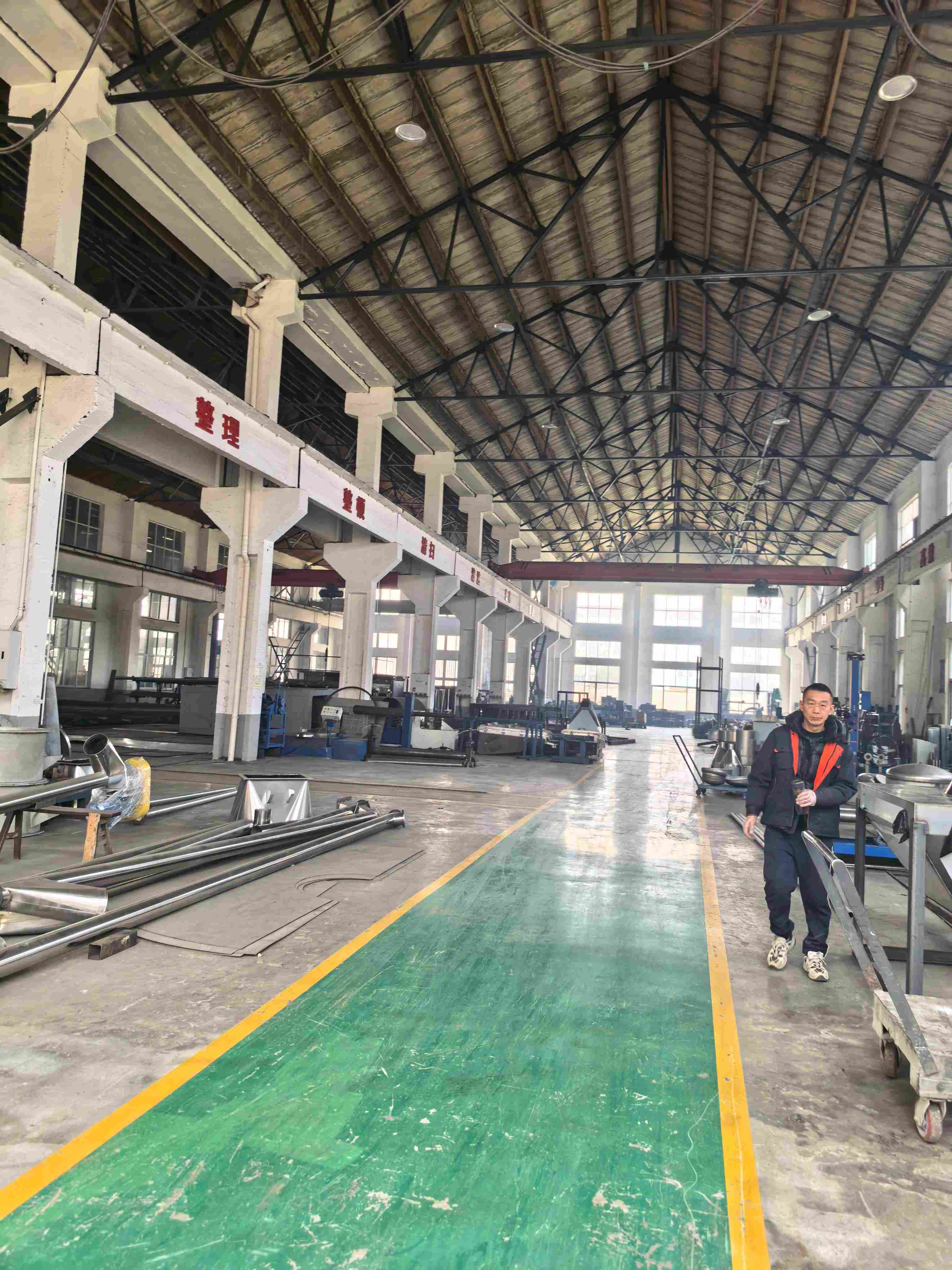
Every production floor has its own rhythm, and off-the-shelf machinery rarely hits the right beat. We start with your existing layout, throughput targets, and even the quirks of your materials. Need a filler that handles a delicate sauce without foaming? Or a capper that accommodates a container shape no catalog lists? These aren’t special requests—they’re where our engineering begins. The result is equipment that feels like it grew right into your line.
Our modular approach means you’re never boxed in. Swap out a dosing unit for a different viscosity, add a secondary labeler when SKU counts climb, or reconfigure a conveyor path to weave around a pillar. Integration with your current PLCs and sensors is part of the blueprint, so new machinery doesn’t mean a control-room headache. We think in terms of upgrade paths, not one-time installs.
Sometimes the best customization is invisible. We’ve tucked electrical cabinets into machine frames to save aisle space, designed quick-disconnect guarding for rapid changeover, and matched factory-floor paint tones just to make the fit seamless. It’s about making the line work exactly the way you need it, without forcing you to adjust your process to the machine.
Material Choices for Aggressive Fluids
Selecting the right materials for piping, seals, and containers that come into contact with aggressive fluids demands a keen understanding of both the chemical properties of the fluid and the mechanical stresses of the application. Metals like Hastelloy and titanium offer exceptional resistance to corrosion from strong acids and chlorides, but they come with a higher price tag and may require specialized welding techniques. For more budget-conscious projects, high-performance plastics such as PTFE or PVDF can handle a wide range of aggressive chemicals while providing a lightweight and flexible alternative, though they generally have lower temperature and pressure limits.
Beyond the base material, the role of elastomers and composite seals often gets overlooked until a leak occurs. Fluids like concentrated sulfuric acid or hot sodium hydroxide can quickly degrade standard O-rings, making materials like Kalrez and Viton the go-to choices for extreme service. In dynamic sealing applications, pairing a chemically resistant seal with a properly finished shaft or housing surface is just as important as the material itself, since even the toughest elastomer will fail if the surface finish encourages premature wear or chemical attack.
Often, the best approach is a layered one—using a corrosion-resistant alloy or polymer as the primary fluid-wetted surface, backed by a more cost-effective structural material. Coating and lining techniques, such as halar or glass lining, can provide an effective barrier against aggressive media while keeping overall system costs manageable. However, careful attention must be paid to coating integrity during fabrication and installation, as a single pinhole can become a point of rapid failure once the fluid penetrates the underlying substrate.
Achieving Microscopic Accuracy in Dosing
When dealing with substances active at the microgram or even nanogram level, the margin for error shrinks dramatically. A slight deviation in volume or concentration can transform a therapeutic dose into a placebo or a toxin. This sensitivity demands instruments and protocols that operate well within the limits of what the naked eye can discern, often requiring environmental controls to offset temperature fluctuations and static interference that could skew measurements.
Achieving such precision hinges on a combination of advanced hardware and rigorous calibration routines. Micropumps with stepper motor drives, for example, can deliver pulses in the picoliter range, while gravimetric verification ensures each dispensed droplet matches the intended mass. Software algorithms that compensate for fluid viscosity and tubing elasticity further refine the process, allowing operators to hit target volumes with a deviation of less than a percent. Regular cross-checks against certified reference materials help maintain this accuracy over time.
Beyond the lab bench, microscopic accuracy in dosing unlocks new possibilities in personalized medicine, where patient-specific regimens rely on exact titrations. It also supports the development of novel biologics and nanotherapeutics, where the active ingredient’s potency leaves no room for guesswork. As therapies become more targeted, the ability to consistently administer minuscule yet precise amounts will separate effective treatments from hazardous approximations.
Quietly Reliable: Built for Continuous Operation
It sits there, barely a whisper, doing its job without fanfare. No rattles, no hums that creep into your focus—just a steady, unobtrusive rhythm that feels like it's always been part of the room. This isn't engineering that shouts; it's the kind that earns trust through silence.
Under that calm exterior, every piece is chosen to endure. The bearings, the seals, the thermal paths—all tuned not just for the first hour, but for the ten-thousandth. It’s a machine that doesn't know how to throw a tantrum, only how to keep going while you forget it's even there.
A Smarter Approach to Fluid System Integration
Gone are the days when fluid systems were pieced together from mismatched components, each demanding its own maintenance schedule and compatibility checks. A smarter approach treats the entire system as a unified entity from the start, ensuring that pumps, valves, sensors, and tubing don’t just coexist but genuinely work in harmony. This not only slashes installation time but also eliminates the slow drift in performance that comes from parts never quite designed to operate as one.
The real leap comes from embedding predictive intelligence directly into the integration process. Instead of reacting to leaks or pressure drops after they happen, a smarter system continuously monitors flow dynamics and component health, flagging anomalies before they become failures. Think of it as teaching the system to understand its own pulse, so maintenance becomes a matter of precision timing rather than emergency response. This shifts the whole mindset from “fix it when it breaks” to “optimize it while it runs.”
What truly sets this approach apart is its flexibility. Modular designs and plug-and-play interfaces mean you can reconfigure or scale the system without gutting the entire setup. Whether you’re adapting to new process requirements or swapping out a component, the integration stays intact. It’s fluid in every sense—responsive to change, efficient by design, and quietly resilient, so your operation can focus on what it makes, not what it takes to keep the pipes flowing.
FAQ
An OEM metering unit is a custom-designed fluid dispensing subsystem that manufacturers integrate directly into their own equipment. Unlike generic, standalone dispensers, these units are tailored to fit specific space, performance, and communication requirements, ensuring seamless operation within the larger machine.
You’ll find them across many sectors, but they’re especially critical in medical device assembly, electronics manufacturing (like conformal coating or solder paste application), automotive sealing and gasketing, and lab automation where repeatable micro-dosing is essential.
They can process a wide viscosity range—from watery solvents and UV adhesives to thick greases and two-component epoxies. Limitations usually depend on the wetted materials and pump technology chosen; aggressive chemicals may require all-stainless or ceramic flow paths. Always discuss your full material profile with the supplier.
Start with your fluid’s viscosity, the required shot size, and cycle speed. Progressive cavity pumps excel with abrasive or filled materials, while piston or diaphragm pumps suit low-to-medium viscosities and high-precision metering. Volumetric gear pumps are a good fit for clean, non-abrasive liquids where consistent flow is key. The decision often involves sample testing.
Yes, most units can be integrated via common industrial protocols such as Profibus, EtherCAT, or simple 24V I/O signaling. Many also support analog control and basic serial commands. Custom firmware adaptations are common, so the unit can respond exactly as the main controller expects.
By using miniaturized drive components, integrating the reservoir and fluid pathway directly into the unit’s housing, and sometimes employing heated hoses only where necessary. Everything is engineered to fit the available envelope—often with custom manifold blocks that eliminate external tubing.
It's a multi-step process: after the design and prototype phase, you’ll typically run extensive cycle testing with your actual fluid, followed by statistical process control (CPK) studies. Many suppliers offer lifecycle test data and material certificates. For medical or aerospace, full traceability and ISO 13485/FDA documentation are standard.
Design-for-serviceability is a key OEM differentiator. Quick-change wetted parts, modular seals, and easy access to calibration points are integrated from the start. A good partner will provide clear preventive maintenance schedules and often can supply pre-assembled cartridge replacement kits to minimize downtime.
Conclusion
OEM metering units are engineered from the ground up to deliver exact fluid volumes in demanding production environments, and their design reflects a deep understanding of how materials, mechanics, and control systems must work together. The core engineering often starts with positive displacement principles or advanced sensor-driven feedback loops, which compensate for viscosity shifts, temperature swings, and back-pressure fluctuations without manual intervention. Because no two production lines are identical, these units are rarely off-the-shelf; instead, they are tailored through modular pump heads, configurable drive interfaces, and custom manifold layouts that slot directly into existing skids or automated cells. Material selection becomes critical when fluids are aggressive—think concentrated acids, UV-curable adhesives, or abrasive slurries—so wetted components are frequently machined from stainless steel alloys, PTFE, or ceramic composites. This fusion of sturdy materials and adaptive design yields a fluidic platform that maintains tight shot-to-shot repeatability, even when ambient conditions drift or the fluid itself changes behavior over a batch run.
What truly sets a precision metering unit apart is its ability to hold microscopic accuracy across millions of cycles without constant recalibration. Achieving this requires not only high-resolution encoders and linear-motor actuation but also a holistic view of the entire fluid path: bubble-free priming routines, drip-retracting nozzle designs, and intelligent pressure monitoring that catches anomalies before they become rejects. Such systems are built for the quiet rhythm of continuous operation, with brushless drives, sealed bearings, and passive cooling that let them hum along 24/7 with minimal maintenance. The smarter approach to integration means these units communicate natively with plant-level controls via Industrial Ethernet protocols, logging dispense data for traceability and enabling recipe changes on the fly. By bridging precision mechanics with industrial connectivity, OEM metering units become an invisible backbone of quality assurance—whether they are dosing catalysts in a chemical reactor, applying conformal coatings on a PCB line, or injecting flavorings into food products, they do their job so consistently that the line only notices when they are not there.
Contact Us
Contact Person: Darye WANG
Email: [email protected]
Tel/WhatsApp: 86-13501017897
Website: https://www.fcntd.com/